Duplicate badges
The Definitive Guide to Access Control Cards, Badges & Fobs: A Comprehensive Security Credential Overview
In the world of modern access control, security and convenience are paramount. Choosing the right credential—whether it’s a badge, a key fob, or a simple RFID card—is a critical decision for any organization. This guide is designed to unlock the secrets of physical security credentials, covering the diverse types, the technology that powers them, and the top manufacturers in the market.
1. Understanding Credential Form Factors: Fobs vs. Cards vs. Badges
While they all serve a similar purpose, the physical design, or form factor, of a credential is a key differentiator in its practical use.
- Key Fobs: These are small, portable devices typically designed to be attached to a keychain. They are favored for their convenience and durability, making them popular in both residential and commercial settings where users prefer a simple, compact solution.
- RFID Access Cards: A flat, credit-card sized credential that can be easily carried in a wallet or cardholder. They are a professional and widely-accepted standard for granting access in corporate environments, hotels, and secure facilities.
- Badges (Photo IDs): These are an advanced form of the access card, combining the integrated RFID chip with a visual photo ID. Badges are essential for enhancing physical security and are a common requirement for employees, visitors, and contractors in high-security buildings and campuses. They provide both electronic access control and immediate visual verification of a person’s identity.
2. The Technology Behind the Credential
The power of modern credentials lies in their embedded technology, primarily Radio-Frequency Identification (RFID). This contactless technology allows the credential to communicate with a reader without physical contact. The most common RFID frequencies are:
- Low Frequency (LF) 125 kHz: Also known as “prox” or proximity technology, this is an older standard. LF credentials are read at a short range (a few inches) and lack advanced encryption, making them susceptible to cloning. They are a cost-effective choice but offer lower security.
- High Frequency (HF) 13.56 MHz: This is the standard for “smart cards” and is the same technology used in contactless payment cards and NFC-enabled smartphones. HF credentials support sophisticated encryption and can store more data, enabling multi-application use and enhanced security.
3. Key Manufacturers and Their Technologies
The access control market is a competitive landscape with both global giants and specialized regional players. Each manufacturer offers a unique blend of technology and security.
- HID Global: A global leader in secure identity solutions, HID provides a wide range of products including Prox (LF), iCLASS (HF), and the highly secure Seos® HID is a trusted name in corporate and government sectors.
- Intratone: A European specialist in wireless, GSM-based access control systems, often found in apartment buildings. Their fobs, cards, and badges use MIFARE technology, often with a proprietary anti-copy encryption layer.
- Allegion (Schlage): A major U.S. competitor to HID, Allegion’s Schlage brand offers credentials that are often interoperable with HID readers, providing a flexible alternative for organizations with existing infrastructure.
- Honeywell Security: A significant player with a complete suite of access control hardware and software, including their own RFID cards and fobs. Honeywell’s solutions are frequently used in large commercial and government applications.
- Salto Systems: A leader in high-security, wireless access control. Their credentials use proprietary encryption, making them extremely difficult to duplicate without authorization. Salto’s focus is on robust security for enterprise solutions.
- Other Notable Brands: The market also includes many other players, each with unique features and security protocols.
- Hexact (proprietary encryption)
- Heracles (encrypted MIFARE)
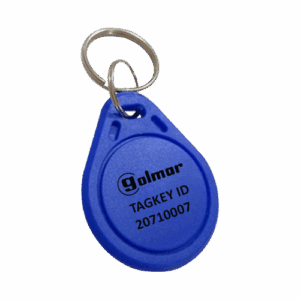
- Golmar (MIFARE with AES-128 encryption)
- Comelit Immotec (proprietary MIFARE)
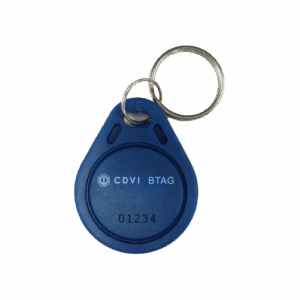
- CDVI (mix of proprietary and standard technologies)
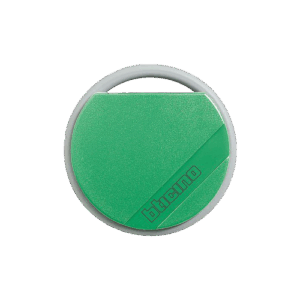
- Bticino (MIFARE-based)
- Aiphone (standard 125 kHz or 13.56 MHz)
- NXP MIFARE Ultralight (low-cost, no-encryption chip)
4. Duplication and Cloning Risks
The risk of a credential being duplicated is directly tied to its underlying technology.
- High Risk: Older 125 kHz proximity cards and fobs are easily cloned. The serial number on the chip is often unencrypted, allowing a simple reader/writer to copy the data to a blank credential.
- Low Risk: Modern credentials with high-frequency technology, especially those from brands like HID and Salto, use advanced cryptographic security. This encryption prevents unauthorized devices from reading the protected data sectors, making them highly resistant to cloning.
For a business, investing in a secure access control system means protecting against these risks. This often involves choosing credentials with robust encryption and managing them through a secure, centralized software platform.
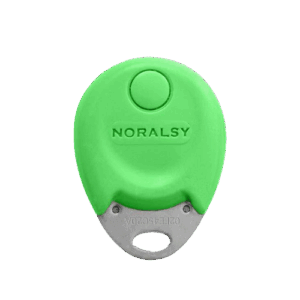 Noralsy
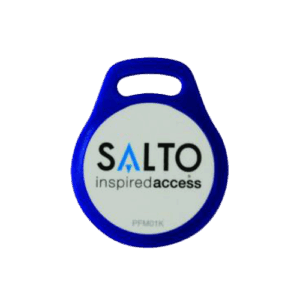 Salto
Salto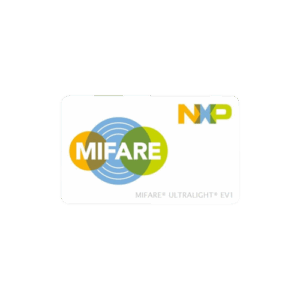 NXP MIFARE Ultralight
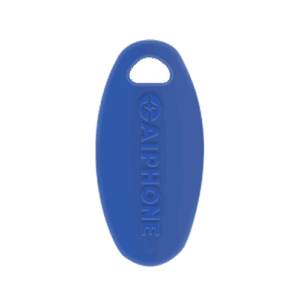 Aiphone
 Bticino
 CDVI
CDVI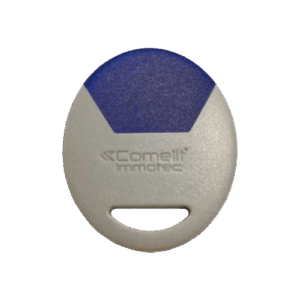 Comelit Immotec
 Golmar
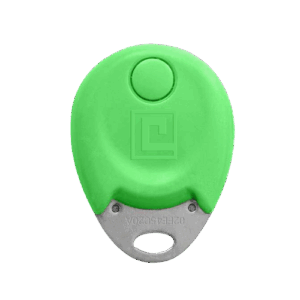 Heracles
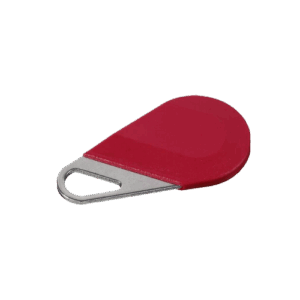 Hexact
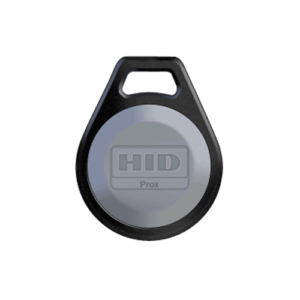 HID
HID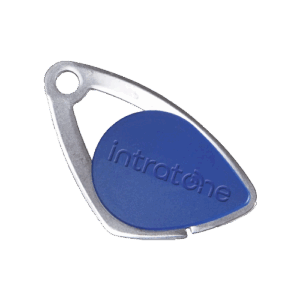 Intratone