Hyundai Key Replacement
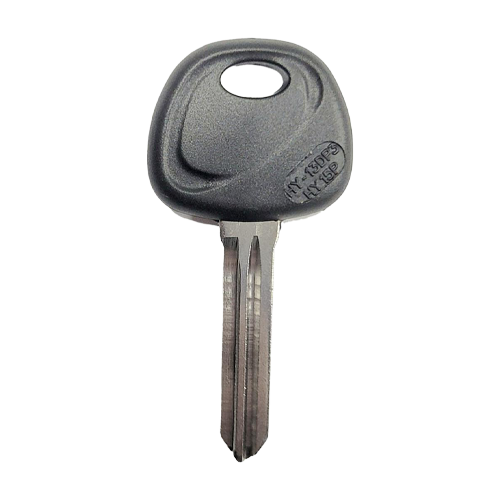
Hyundai has grown from budget newcomer to a top-3 U.S. retail brand, and its keys evolved just as quickly—from basic metal keys in the 1990s to immobilizer transponder keys and today’s push-to-start smart fobs. For most late-1990s and newer Hyundai vehicles, a replacement key must be electronically programmed to the vehicle’s immobilizer or smart system. Dealers can create and pair new keys with VIN and proof of ownership; however, licensed automotive locksmiths can typically cut and program on-site, which avoids towing and is often faster and more affordable. For older models whose original key codes may no longer be in dealer databases, an experienced locksmith can originate a key by decoding the lock or ECU—handy for discontinued models like Veracruz or Entourage. Practical tip: have your VIN handy and know whether your Hyundai is turn-key or push-button (smart key), because programming needs differ. Security advisories have also driven software updates to some models (e.g., anti-theft campaigns), so your service visit may include both key programming and a security update where applicable.
U.S. Models & Years
Accent (1995–2022); Excel (1986–1994); Scoupe (1991–1995); Elantra (1992–present); Elantra GT (2013–2020); Ioniq (Hybrid/Plug-in/Electric 2017–2022); IONIQ 5 (2022–present); IONIQ 6 (2023–present); Sonata (1989–present); XG300/XG350 (2001–2005); Azera/Grandeur (2006–2017 U.S.); Tiburon (1997–2008); Veloster (2012–2022); Veloster N (2019–2022); Venue (2020–present); Kona (2018–present); Kona Electric (2019–present); Nexo (Fuel Cell 2019–present, limited markets); Tucson (2005–present); Santa Fe (2001–present); Santa Fe Sport (2013–2018); Palisade (2020–present); Veracruz (2007–2012); Entourage (2007–2009).
 Lucid
Lucid Genesis
 Land Rover
 Yale
Yale Kia
Kia Mercedes-Benz